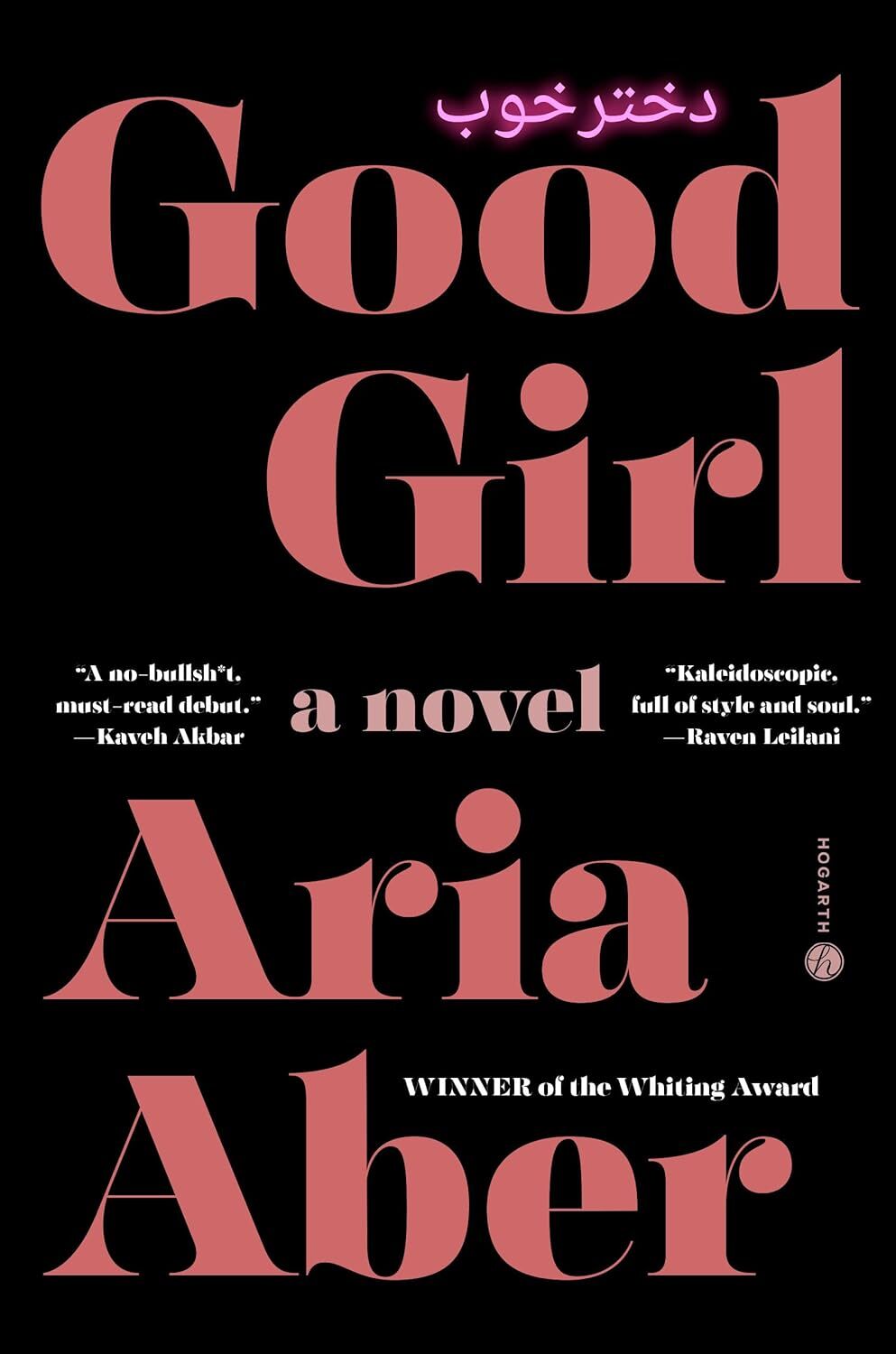

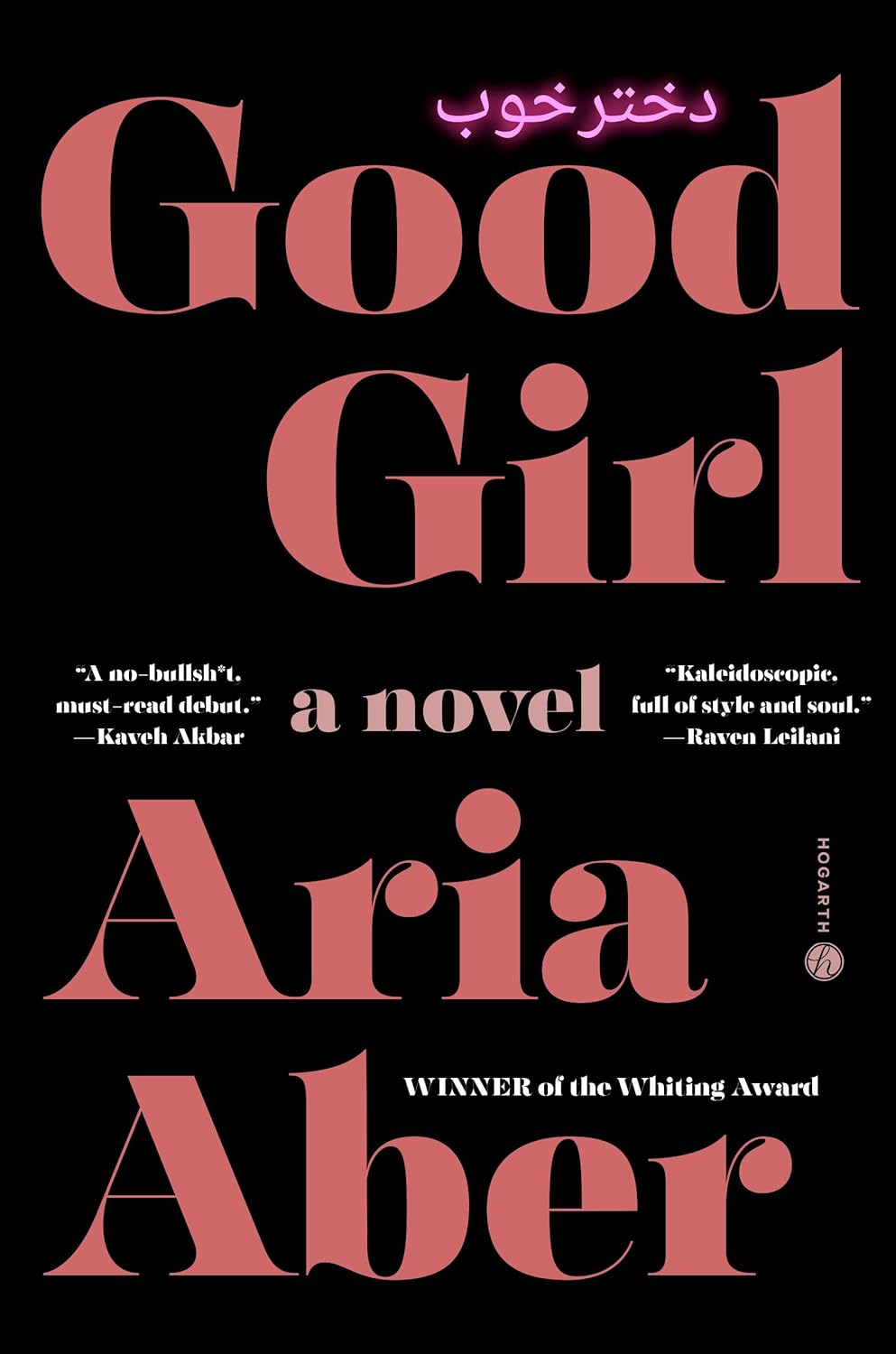

This is the real must-read literary debut!
Aria Aber's dazzling debut novel, Good Girl, is far more than a simple coming-of-age story; it is a profound, exhilarating, and "no-bullsh*t" (Kaveh Akbar) portrait of the artist as a young woman navigating the complex, historically charged landscape of modern Berlin. As the Los Angeles Times rightly observes, Aber, an acclaimed poet, introduces a voice "quite unlike any other, with a layered story and sentences that crackle and pop."
The novel introduces us to Nila, a nineteen-year-old born in Germany to Afghan refugees. Her adolescence is a study in friction: raised in public housing marked by the ugly legacy of German history—graffitied swastikas—she is pulled toward the exhilarating intellectual and artistic underground, much to her family's disappointment. Nila's life is a collision of worlds: the traditions of her community, the academic draw of philosophy, and the visceral, sensory allure of Berlin's legendary techno and drug-fueled nightlife.
In this haze of self-discovery, Nila finds her "tribe" and encounters Marlowe, an older American writer whose fading celebrity offers Nila a tantalizing glimpse of artistic and personal liberation. Marlowe becomes a powerful, yet increasingly controlling, presence in Nila's life. This intimate, complex relationship acts as a centrifuge, pulling Nila further from her origins while simultaneously sharpening her awareness of the world's harsh realities.
Aber masterfully embeds the personal journey within a larger geopolitical context. As Nila is drawn deeper into Marlowe's orbit, ugly, barely submerged racial tensions begin to roil Germany, echoing the history still "pockmarked" on the city's warehouses and affecting Nila's family and community directly.
Good Girl is a story of exhilarating contradictions: it explores the chaos of youth—raves and sex and staying up all night—alongside the heavy intellectual weight of Kafka and philosophy. Aber writes with a "masterful precision" (Leila Lalami, The Atlantic) that captures the frantic energy of the artistic scene and the deep, abiding pull of family and heritage.
After a year spent running from her future, Nila is forced to halt and confront the central, urgent question every young person must face: Who does she want to be?
This novel is essential reading—a "kaleidoscopic, full of style and soul" (Raven Leilani) debut that establishes Aria Aber as a major new voice in contemporary fiction, expertly mapping the terrain where history, identity, desire, and art collide. Highly recommended.