
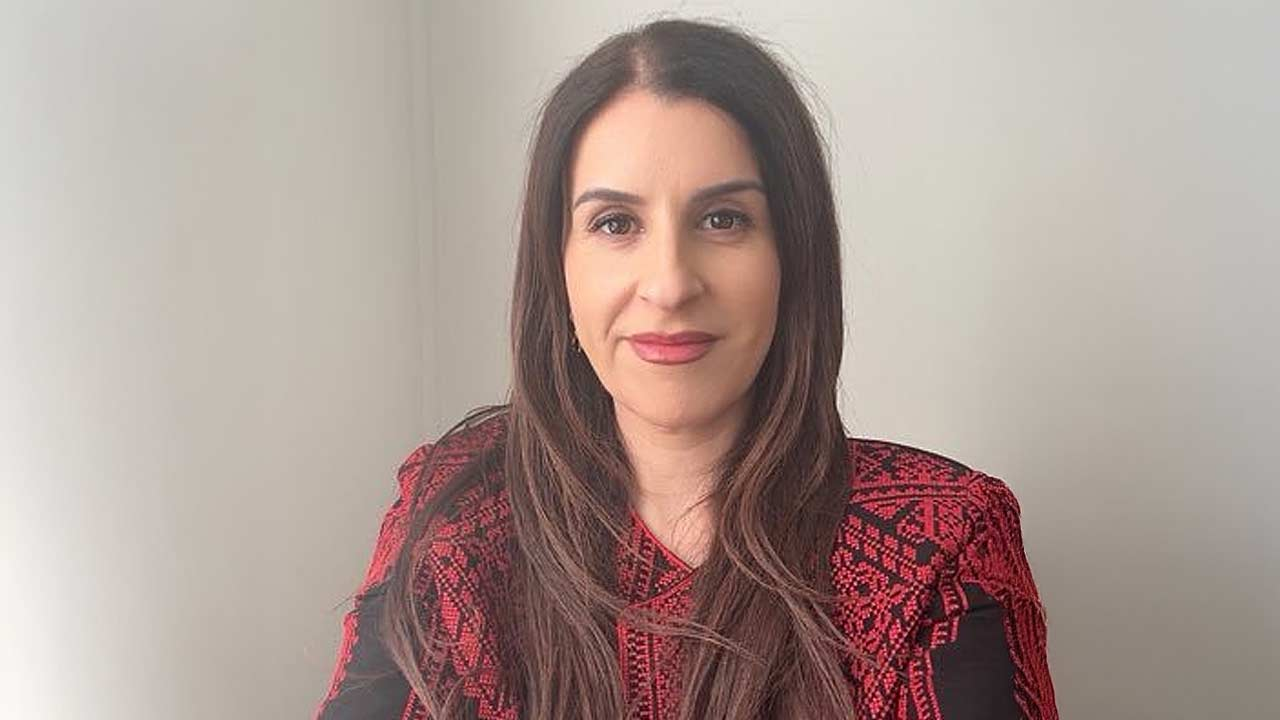
The literary world is still reeling from the shocking news: the 2026 Adelaide Writers’ Week (AWW), a cornerstone event in Australia's cultural calendar, has been officially cancelled. This isn't just a postponement; it's a dramatic collapse following a controversy that has sparked global debate about censorship, cultural sensitivities, and the very essence of free expression in the arts.
At the heart of the storm was the "disinvitation" of Dr. Randa Abdel-Fattah, a prominent Australian-Palestinian author, from the festival lineup. The festival board’s decision, citing vague "cultural sensitivities" in the wake of a tragic attack on the Jewish community in Bondi, ignited an immediate and fierce backlash.
A Cascade of Condemnation and Courageous Resignations
The response was unprecedented. Dr. Abdel-Fattah herself condemned the board's move as a "blatant and shameless act of anti-Palestinian racism and censorship," calling the attempt to link her with the Bondi attack "despicable." Her powerful words resonated deeply, triggering a domino effect across the literary community:
The Exodus: Over 180 fellow authors and speakers swiftly withdrew their participation in solidarity. This wasn't just a handful of disgruntled writers; it was a mass boycott that included global literary giants like Zadie Smith, beloved Australian author Kathy Lette, and even former New Zealand Prime Minister Jacinda Ardern. Their collective message was clear: silence one voice, and you silence us all.
The Director's Stand: Festival Director Louise Adler, herself the Jewish daughter of Holocaust survivors, made a poignant and powerful statement by resigning. "I cannot be party to silencing writers," she declared, embodying the principle that artistic freedom transcends personal or political affiliations.
The Board's Collapse: Within days of the initial controversy, almost all remaining festival board members had resigned, leaving the 2026 event without leadership or a future. The decision to cancel AWW entirely was the final, inevitable consequence of a community refusing to compromise on fundamental values.
Beyond the Page: A Broader Conversation
This cancellation is more than just a logistical failure; it’s a symptom of a much larger, global conversation about the challenges facing free speech, particularly for voices from marginalized communities. When "cultural sensitivities" are weaponized to silence particular narratives, it creates a chilling effect that threatens the diversity and richness of our cultural landscape.
Writers' festivals are meant to be platforms for the exchange of ideas, even – especially – the challenging and uncomfortable ones. They are spaces where different perspectives can clash, debate can flourish, and understanding can grow. When a board intervenes to remove a voice based on fear or political pressure, it undermines the very purpose of such an institution.
What Does This Mean for the Future?
The cancellation of Adelaide Writers’ Week 2026 leaves a significant void. It forces us to ask tough questions:
How can cultural institutions protect intellectual freedom while navigating complex social and political landscapes?
What is the true cost of censorship, not just to individual artists, but to the broader society?
How can we ensure that all voices, particularly those often marginalized, are given a platform to be heard without fear of reprisal?
Support the Voices That Matter
In times like these, it becomes even more crucial to actively seek out and support the writers who dare to speak truth to power. Dr. Randa Abdel-Fattah's work is a testament to the power of storytelling, offering vital perspectives on identity, belonging, and justice.
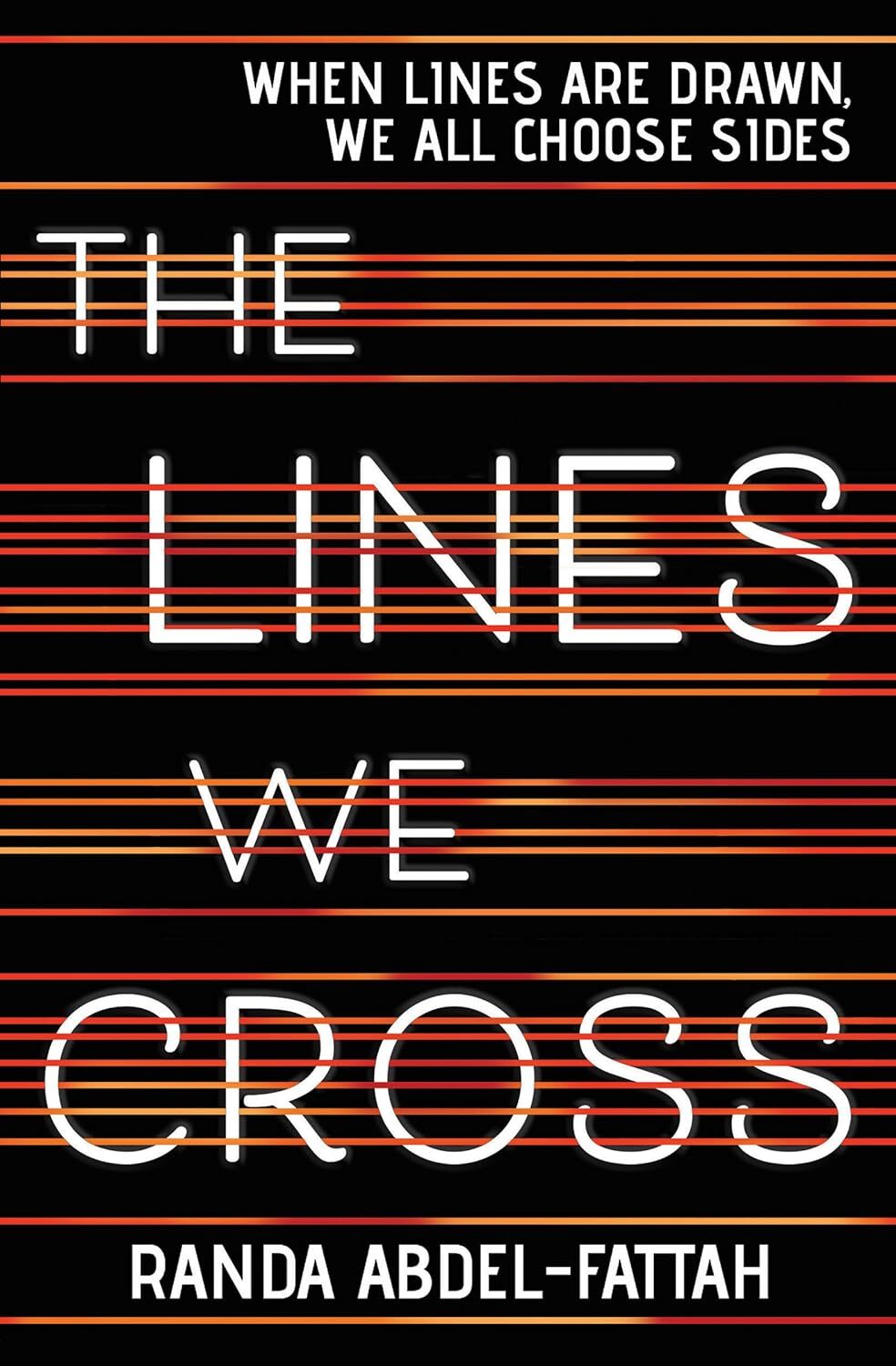
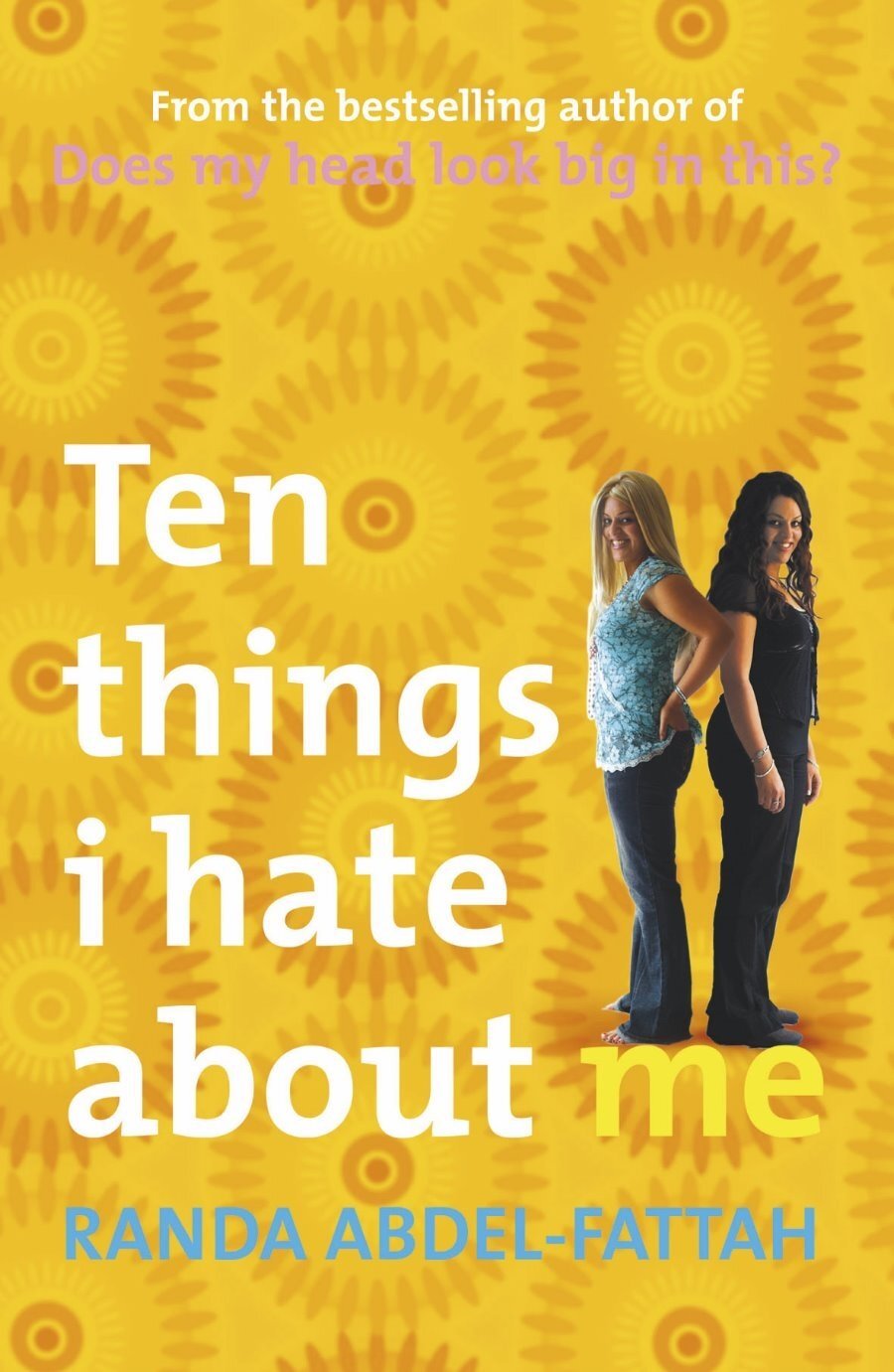
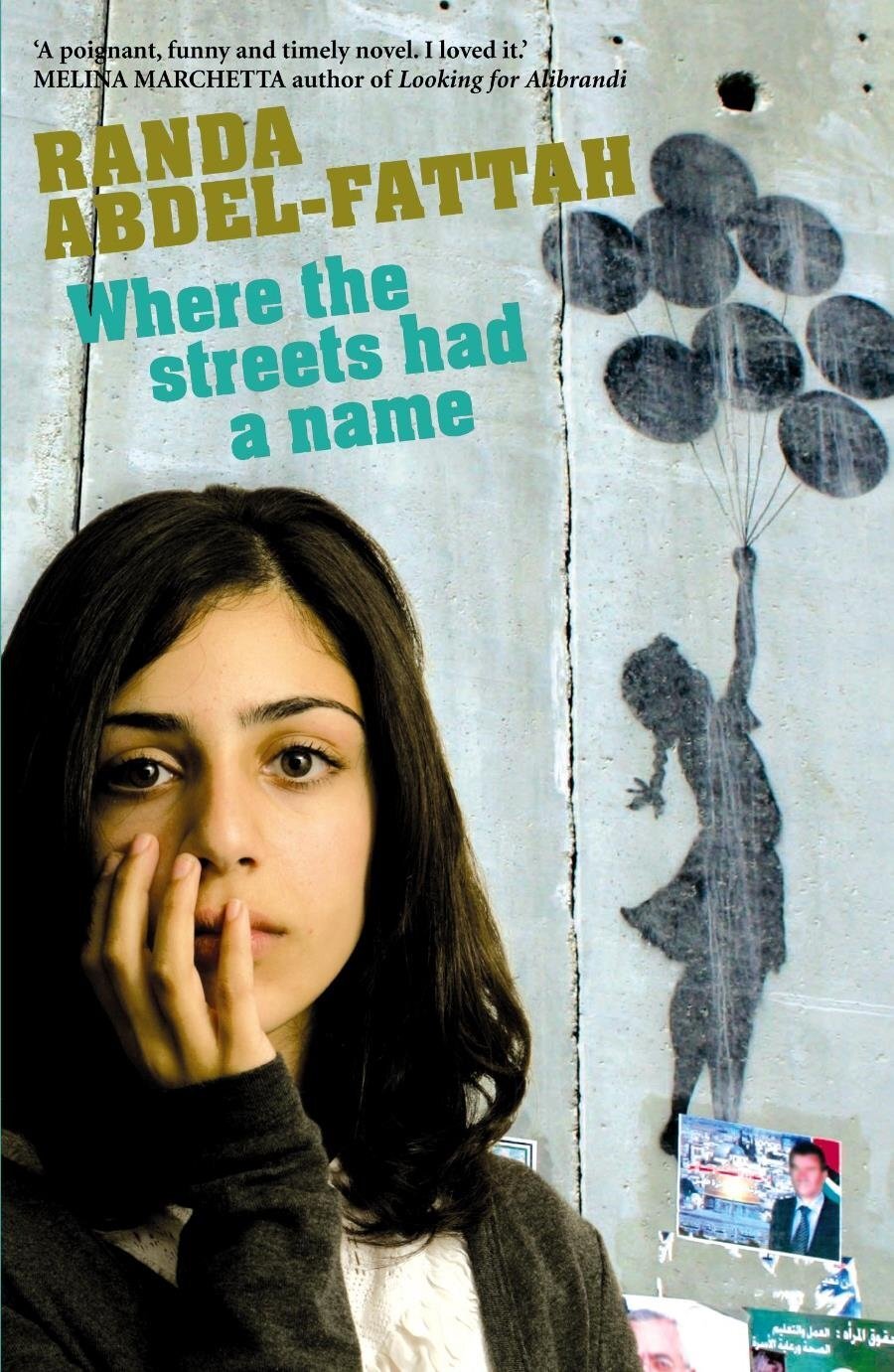
At BookaliciousMY, we believe in the power of words to inspire, challenge, and connect us. We invite you to explore the compelling works of Dr. Randa Abdel-Fattah, including:
Does My Head Look Big In This? (A groundbreaking novel exploring identity and cultural clashes)
Where the Streets Had a Name (A powerful story about Palestinian heritage and displacement)
Ten Things I Hate About Me (A thoughtful examination of self-acceptance and cultural identity)
The Lines We Cross (A poignant look at the refugee experience and cross-cultural friendship)
By reading her work, you're not just buying a book; you're actively resisting silence and supporting the principle that all stories deserve to be told.