
Eid al-Adha—the Feast of Sacrifice—is fundamentally a time of reflection on devotion, testing, and communal solidarity. Across the Islamic world, the holiday commemorates the willingness of Prophet Ibrahim (Abraham) to sacrifice his son in obedience to God, an act answered with divine mercy and the substitution of a ram.
While millions experience this holy season through traditional family feasts, crisp new clothes, and the ritual sharing of meat, the observance takes on vastly different dimensions in regions heavily shaped by contemporary geopolitical realities [1]. In Palestine, Eid al-Adha is a somber testament to resilience amidst immense physical and economic hardship [2]. In Iran, it serves as a major state and religious occasion where spiritual devotion blends seamlessly with declarations of regional and political solidarity [3].
Palestine: Devotion Amidst Disruption and Loss
For Palestinians, particularly those in the Gaza Strip and the West Bank, the traditional joyous spirit of Eid al-Adha is deeply altered by the ongoing realities of conflict, displacement, and severe economic blockades [4].
The core practice of the holiday—the Udhiyah (ritual animal sacrifice)—has become an extraordinary challenge. Due to closed border crossings and steep transportation costs, livestock markets are largely empty, and prices for sheep or goats are far beyond the reach of average families. Rather than gathering for elaborate multi-course meals and distributing fresh meat to neighbors and the poor, thousands of displaced families observe the day inside makeshift tents or damaged homes, relying on standard canned rations.
The closing of critical travel routes also means that many Palestinians are entirely prevented from taking part in the annual Hajj pilgrimage to Mecca, which immediately precedes the Eid celebrations. Despite these immense barriers, the communal spirit remains remarkably resilient [5]. In open spaces, fields, and ruined neighborhoods, communities still roll out prayer mats to perform the early morning Salat ul-Eid, finding deep personal resonance in a holiday fundamentally rooted in enduring hardship and maintaining faith through ultimate testing [6].
Iran: Ritual, Statecraft, and Regional Alignment
In Iran, Eid al-Adha (known locally as Eid-e Qurban) is an official public holiday marked by both widespread public devotion and high-level state messaging [3]. The day begins with massive countrywide congregation prayers. In Tehran, thousands of worshippers, including senior political, diplomatic, and military figures, traditionally gather at major hubs like the University of Tehran or the Grand Mosalla to hear sermons led by prominent religious figures.
Beyond the formal prayers and the traditional distributing of meat to the less fortunate, Iran’s state apparatus heavily utilizes the holiday to reinforce its foreign policy positions, particularly its alignment with the Axis of Resistance [7, 8]. Sermons and official Eid messages from leadership routinely connect the spiritual themes of Ibrahim's struggle to the modern-day geopolitical struggles of the region, framing support for the Palestinian cause as a moral and religious obligation for the broader Muslim world [9].
The Intersection: Solidarity in a Changing Middle East
The connection between Iran and Palestine becomes highly visible during major Islamic holidays. In Iranian civil society and state media, Eid al-Adha serves as a platform to vocalize solidarity with those facing blockades and conflict in Gaza and the West Bank [9].
Dimension | Observance in Palestine | Observance in Iran |
Primary Setting | Makeshift shelters, open fields, and resilient local neighborhoods [6]. | Major universities, grand mosques, and state-sanctioned open squares. |
Economic Reality | Extreme scarcity; severe shortage of livestock and basic goods due to blockades [4]. | Organized livestock markets; institutionalized charity distribution programs [1]. |
Socio-Political Focus | Immediate survival, holding onto family ties, and keeping faith alive amidst conflict [2]. | National unity, state-led religious events, and assertions of regional alliance [7]. |
Ultimately, while the physical realities of the holiday could not be more distinct—one marked by the quiet endurance of a population navigating severe conflict, and the other by a structured state and religious apparatus—both populations remain anchored to the same core message of Eid al-Adha. Whether through the quiet determination of a family in a displaced persons camp or the collective prayers of thousands in Tehran, the holiday endures as a profound reminder of sacrifice, mercy, and shared identity across the region.
The Complex Realities of the War's Aftermath
As communities try to move past the most intensive phases of active warfare, the "aftermath" has proven to be less of a clean break and more of a prolonged humanitarian crisis. Long after major bombardments ease, the institutional scars leave a profound mark on how religious and cultural traditions are practiced.
The Collapse of the Sacrificial Market
In Gaza, consecutive years of intense conflict have effectively annihilated the agricultural sector. Local livestock farms, feed warehouses, and veterinary centers have faced extensive structural damage, leading to a catastrophic loss of livestock herds [10]. Because border controls severely restrict or completely halt the transport of live animals, the internal market has completely collapsed.
Pre-War Baseline: Gaza historically imported between 10,000 to 20,000 cattle and up to 40,000 sheep to meet the demand for the Eid ritual [10].
The Price Surge: Due to supply shrinking to less than 10% of historic baselines, the cost of a single sacrificial sheep has skyrocketed from a pre-war average of $500 to anywhere between $4,000 and $7,000 [11].
The Result: For the vast majority of families, the defining centerpiece of Eid al-Adha—the slaughter and the subsequent giving of fresh meat to neighbors and the poor—has vanished entirely. Millions now spend the holiday relying strictly on humanitarian canned goods or international aid packages [12].
Shifting the Spirit: Survival as Celebration
With traditional festivities structurally impossible, the nature of "celebration" has been radically redefined. Parents displaced in dense tent cities like Deir al-Balah and Khan Younis focus their energy on preserving psychological normalcy for their children rather than hosting grand banquets.
Women gather in community tents to bake traditional Eid cakes using basic aid-rationed flour, and families use whatever limited liquidity they have to buy small sweets or simple toys rather than the customary new holiday outfits [13]. The celebration has shifted away from material abundance, transforming instead into an exercise in pure resilience, collective survival, and quiet family presence amidst ruined landscapes.
Denouement: Unyielding Spirits and Global Solidarity
Boundaries may be redrawn and landscapes fractured by the heavy toll of conflict, but the core essence of Eid al-Adha reveals a deeper truth: the structural devastations of war cannot shake the fundamental spirit of the Palestinian and Iranian peoples. For Palestinians, survival itself has become a form of sacred devotion, transforming a landscape of ruin into a testament of unyielding life. For Iranians, the enduring commitment to regional kinship turns a religious holiday into a powerful, collective renewal of purpose.
This profound resilience reminds us that the bonds of human empathy stretch far beyond geographical borders. As a community built on the power of stories, truth, and shared history, Bookalicious stands in absolute, unwavering solidarity with the peoples of Palestine and Iran—championing their enduring voices, recognizing their profound sacrifices, and honoring the unbreakable spirit that no conflict can diminish.
Curated Voices: Essential Reads on Palestine and Iran
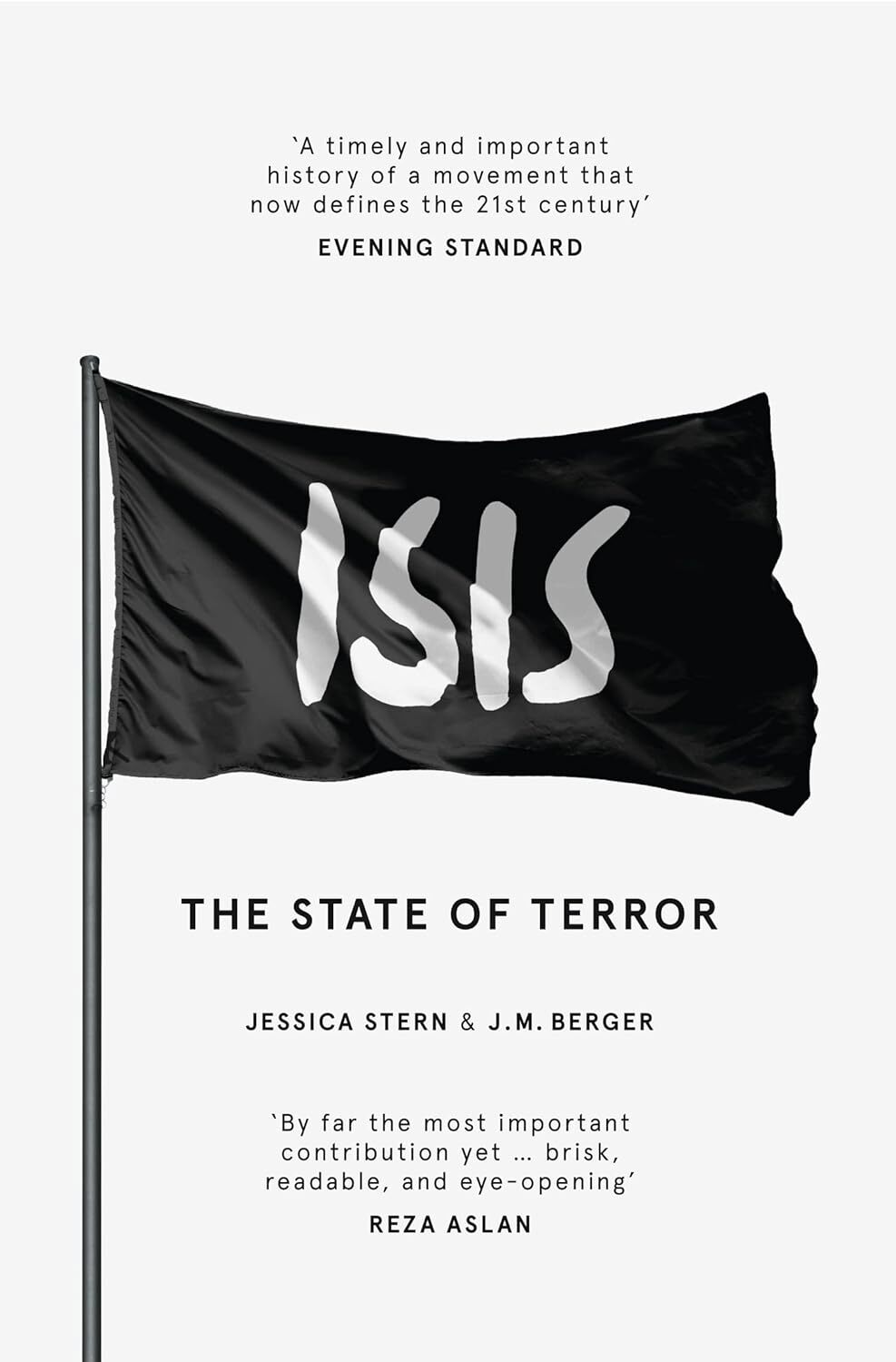
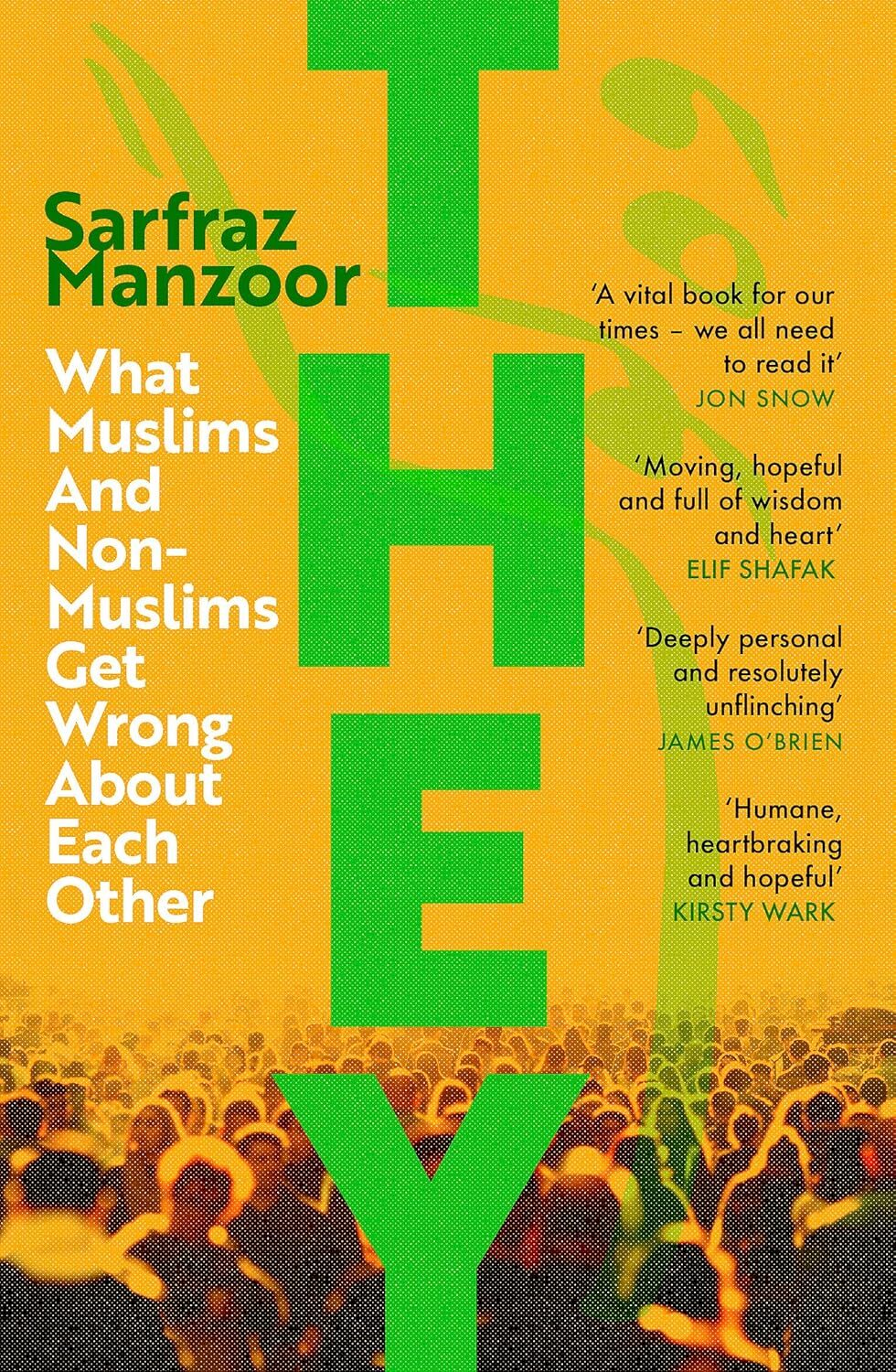
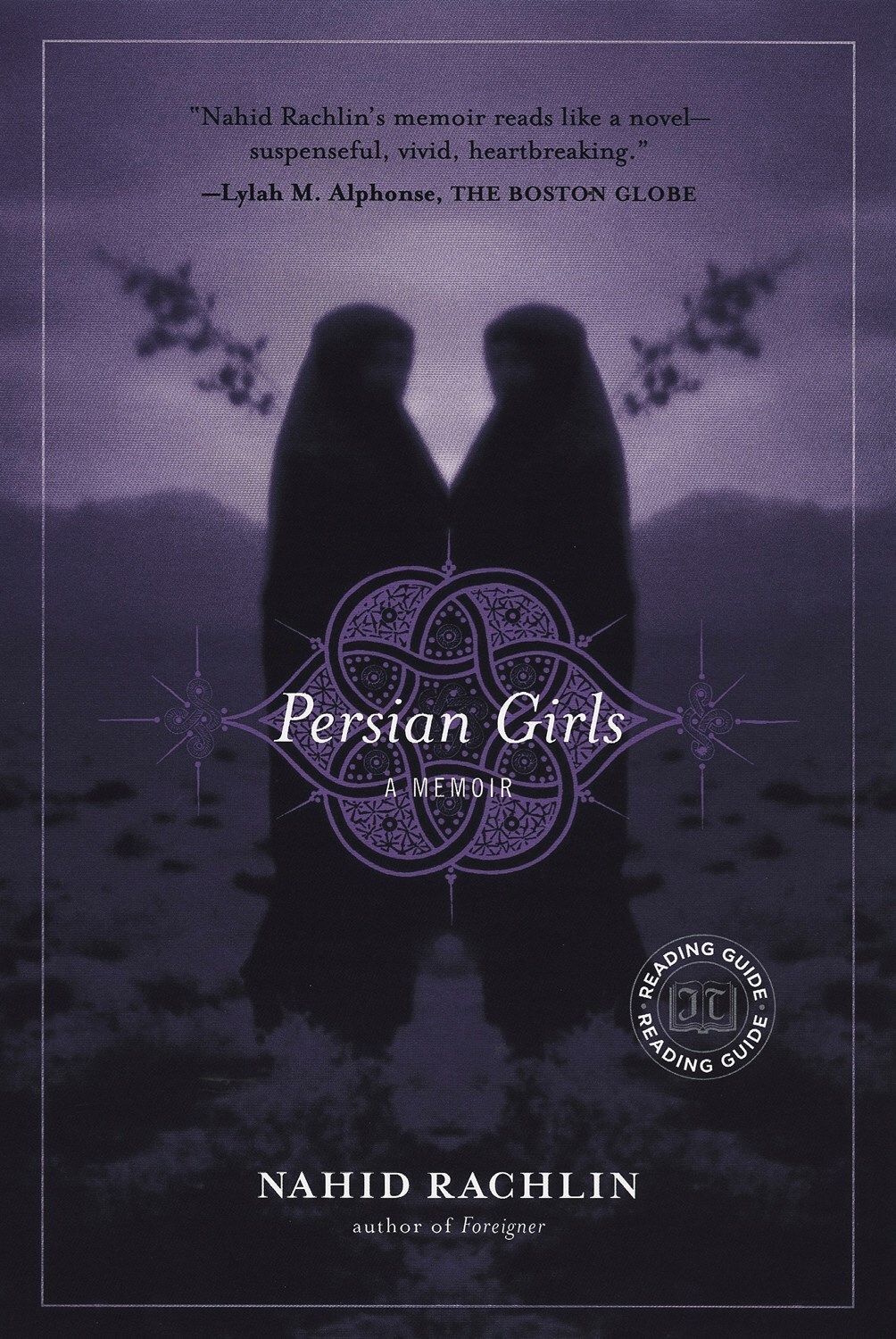
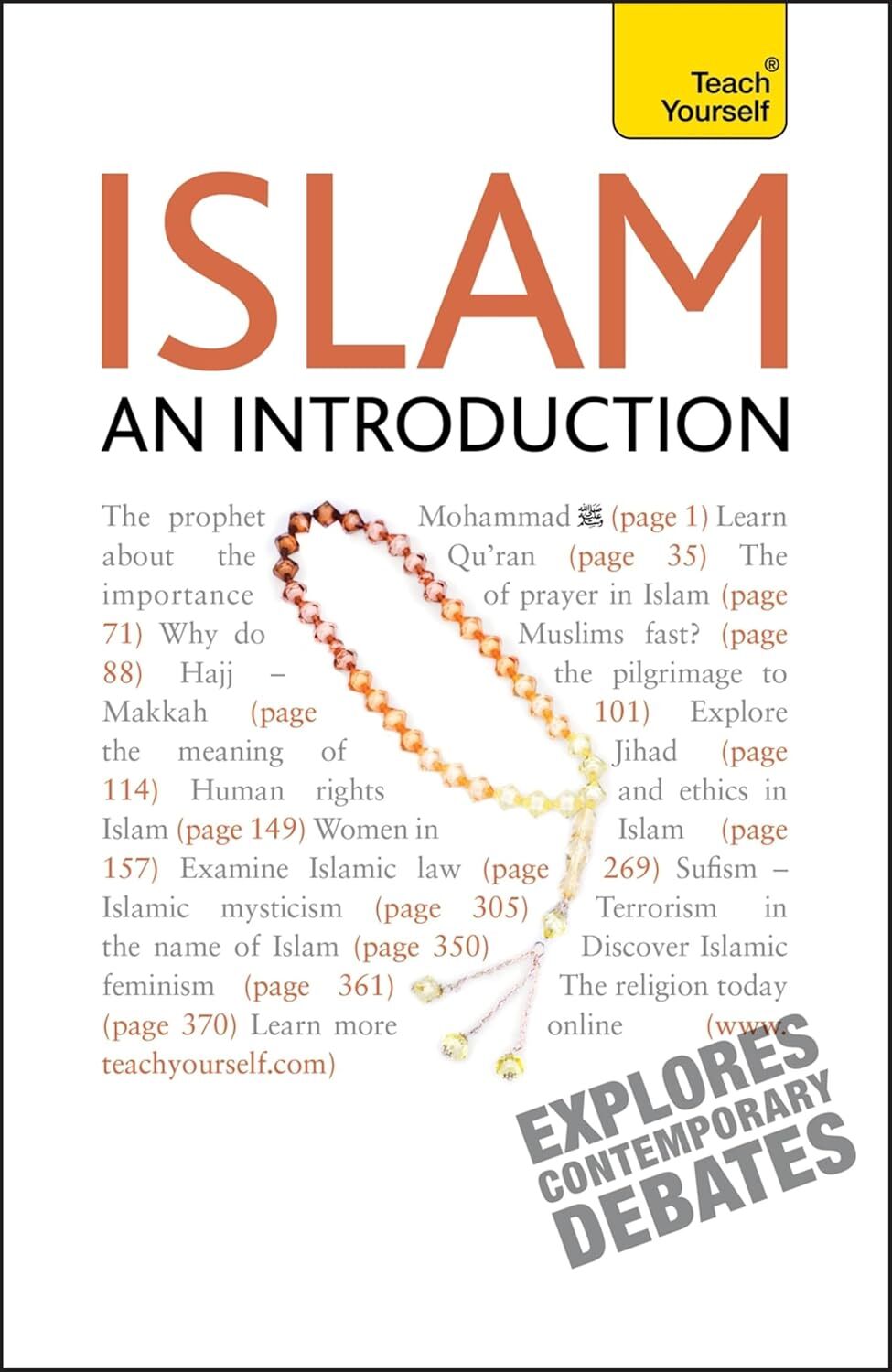
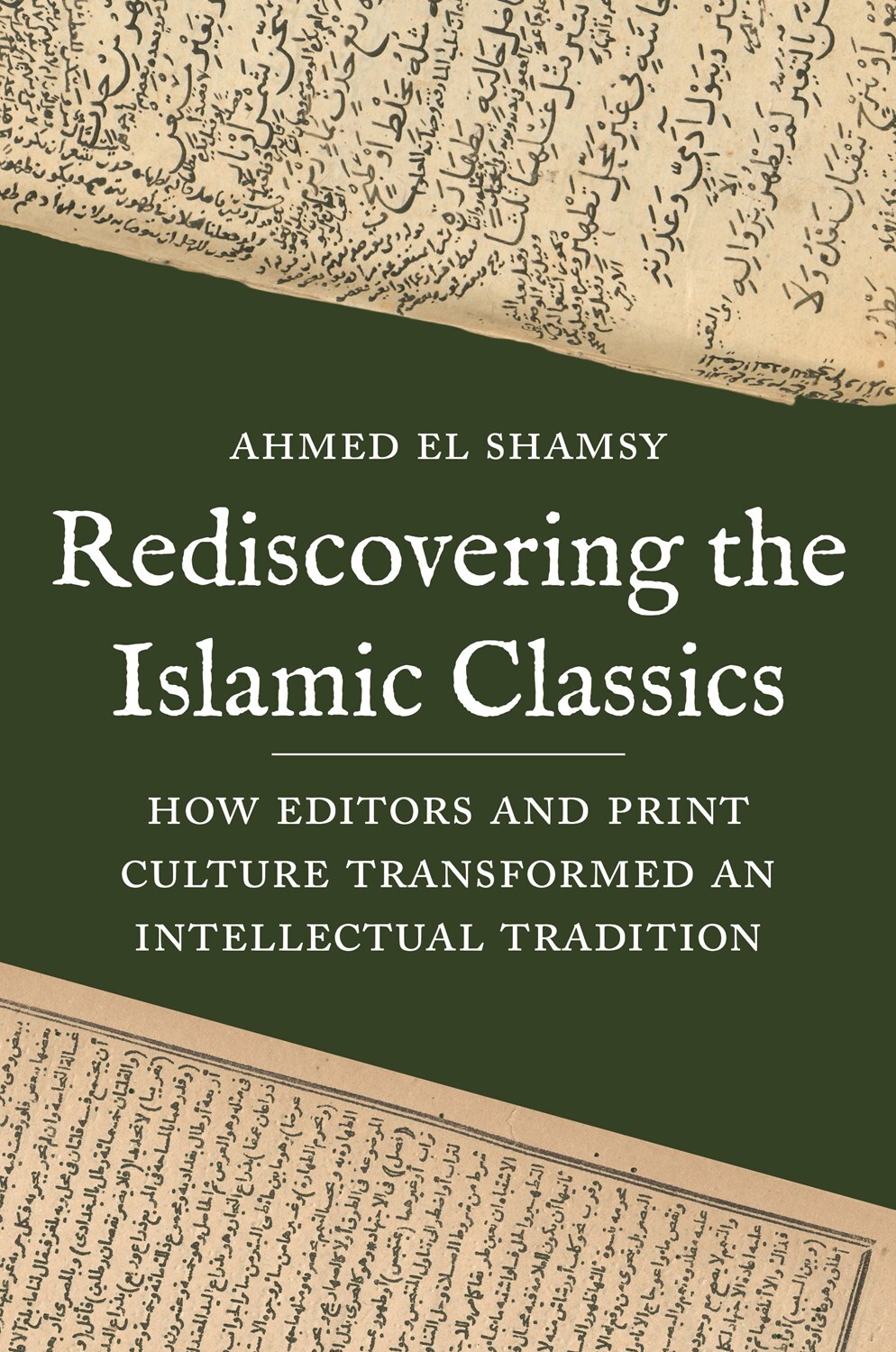
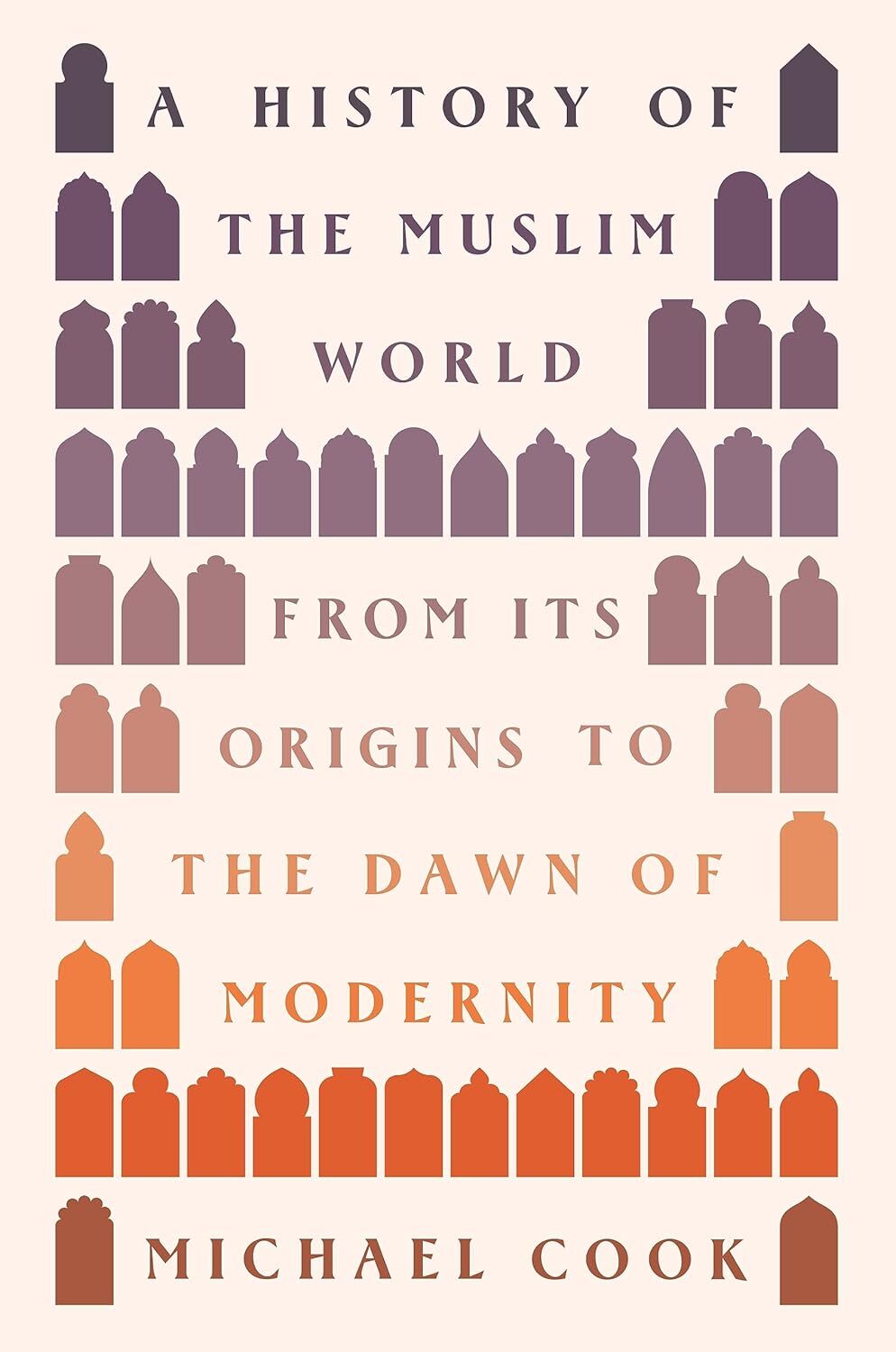
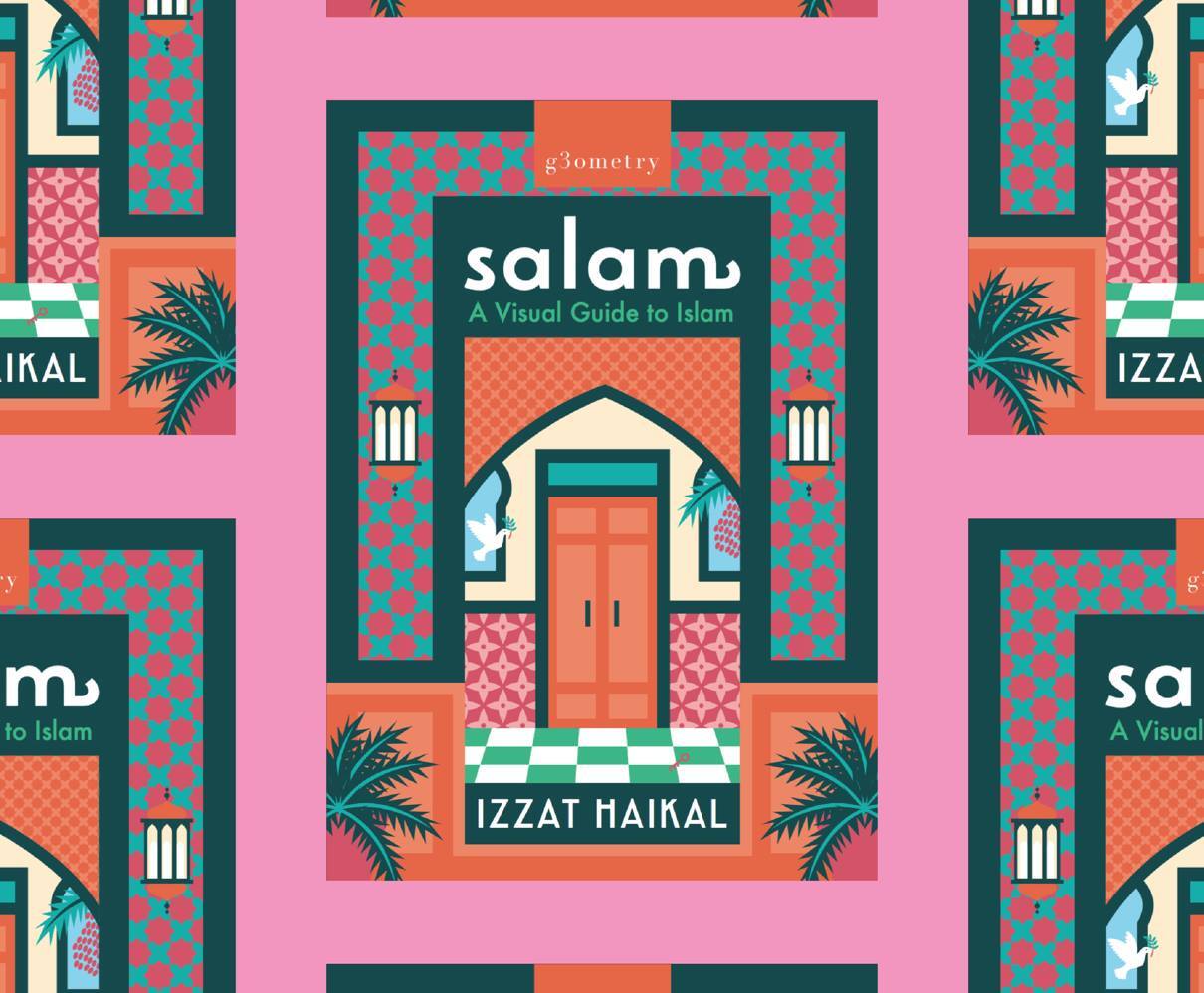
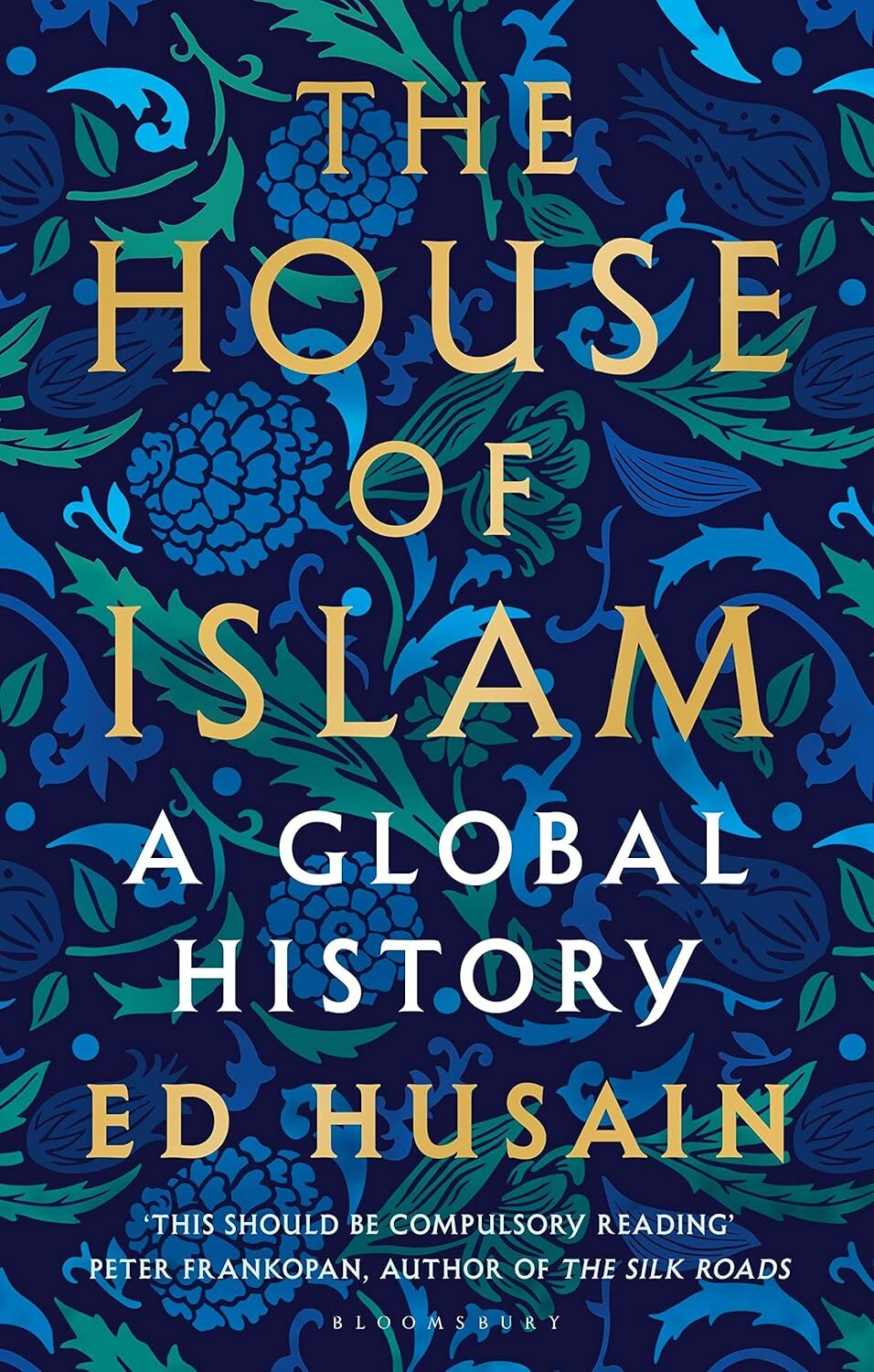
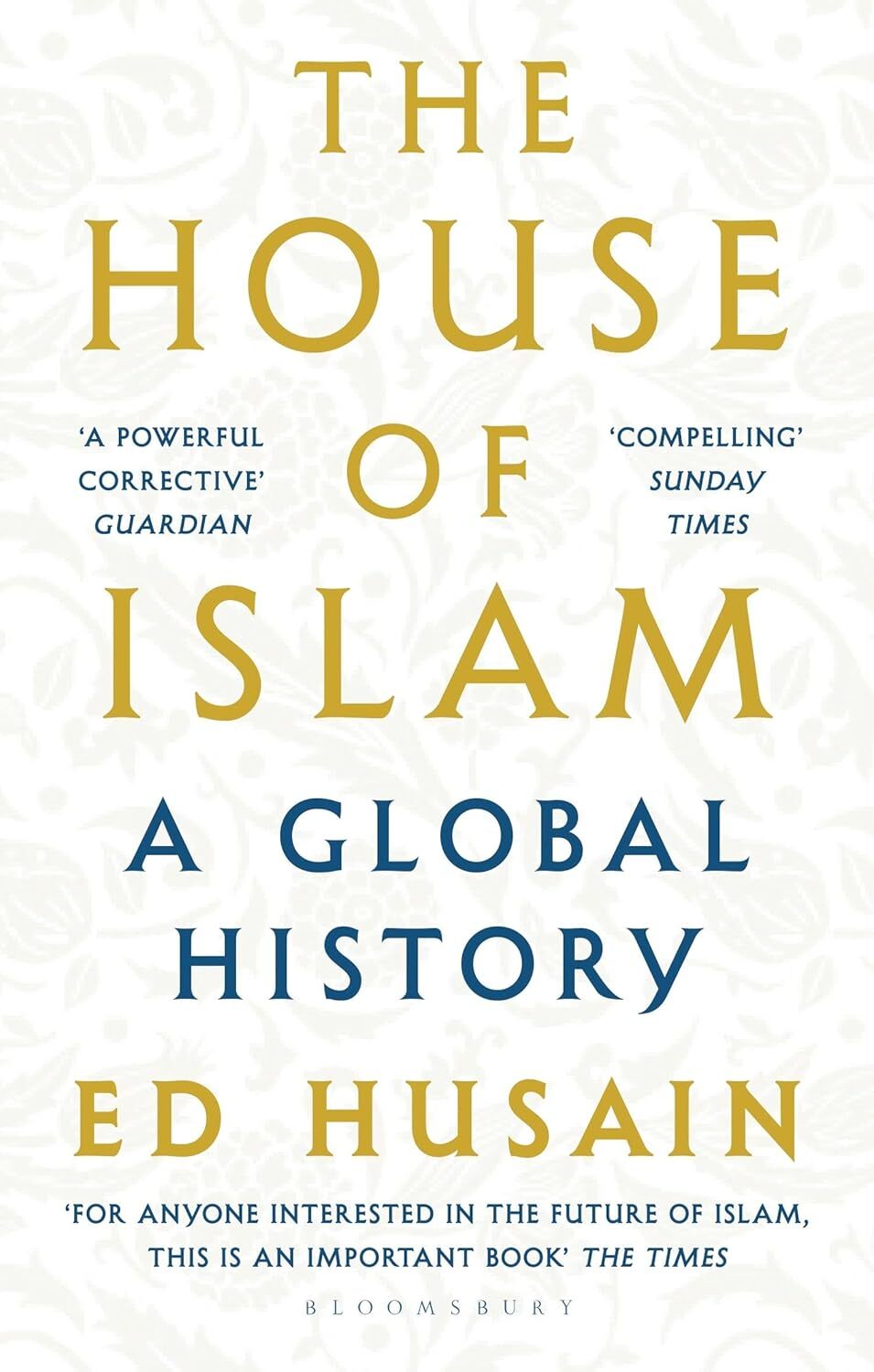
To truly engage with the history, cultural richness, and deep-seated endurance of these regions, literature remains our most powerful window. This curated selection offers profound insights into the lived experiences, systemic trials, and unbroken spirit of both populations.
References
Almaida, A., 2023. Exploring the dynamics of Islamic events on sustainable performance of Islamic and conventional stock markets. Uncertain Supply Chain Management, 11(3), pp. 1115-1124.
Miller, T., 2021. Active, Still, Reclamation. Society & Space, 39(4), pp. 612-628.
Saidi Moqadam, E., 2025. Negotiating Islam: Debating authority and ethnoreligious authenticity among Iranian Americans in the U.S. South. PhD dissertation. University of Kentucky.
International Crisis Group, 2008. Palestine Divided. Middle East Briefing N°25. Amman/Brussels: International Crisis Group.
Fogarty-Valenzuela, B., 2026. A Landscape of War (Munira Khayyat 2022). Conflict and Society, 11(1), pp. 245-248.
van der Meulen, J.W., 2022. Mental health and wellbeing of a Palestinian population. PhD dissertation. University of Amsterdam.
Elliott, M.G., 2014. Iran's insurgency and counterinsurgency strategy. Master's thesis. Naval Postgraduate School.
Flamer, N., 2025. Hizballah's Intelligence Collection Leading Up to and During the 2006 War With Israel: How a VNSA Conducts Operative Intelligence. Studies in Conflict & Terrorism, 48(2), pp. 134-155.
Shehadeh, S.W., 2025. Researching the General Union of Palestine Students from the Diaspora. PhD dissertation. University of California, Los Angeles.
Bernama-QNA, 2026. Eid Al-Adha In Gaza Overshadowed By Livestock Collapse, Worsening Crisis. Qatar News Agency / Bernama Media Report, 16 June.
The Vibes, 2026. Gaza families face third Eid Al-Adha without sacrificial rituals amid war and extreme shortages. The Vibes / Xinhua News Network, 17 June.
The Straits Times, 2026. No feasts, no joy: Gazans mark a dark Eid. The Straits Times World Edition, 16 June.
Mondoweiss, 2026. 'Life itself no longer feels the same': Gaza faces another Eid al-Adha amid genocide. Mondoweiss Middle East Reporting, 15 June.